Is Tomodachi Life: Living the Dream Worth Buying? A Cozy Gamer’s Review
I believe Tomodachi Life: Living the Dream is worth buying if you love cozy games that are weird, funny, low-pressure, and slightly emotionally unhinged.
This is not the kind of life sim where you carefully plan every inch of your farm, optimize your income, and become the mayor of productivity. This is the kind of game where your Mii might fall in love with your favorite fictional character, start beef with your best friend, wear a questionable outfit, and then ask for soup like nothing happened.
In other words, it is cozy gaming with drama. And honestly? We needed this.
Nintendo officially describes Tomodachi Life: Living the Dream as an island life game full of “silliness, drama, love, and other surprises,” which is probably the most accurate way to describe a game where your little Mii society behaves like a reality show filmed inside a dollhouse. The game launched for Nintendo Switch on April 16, 2026.
What Is Tomodachi Life: Living the Dream?
Tomodachi Life: Living the Dream is a social simulation game where you create Mii characters and place them on an island. These Miis can be based on yourself, your friends, your family, celebrities, fictional characters, or the random person you saw at Target.
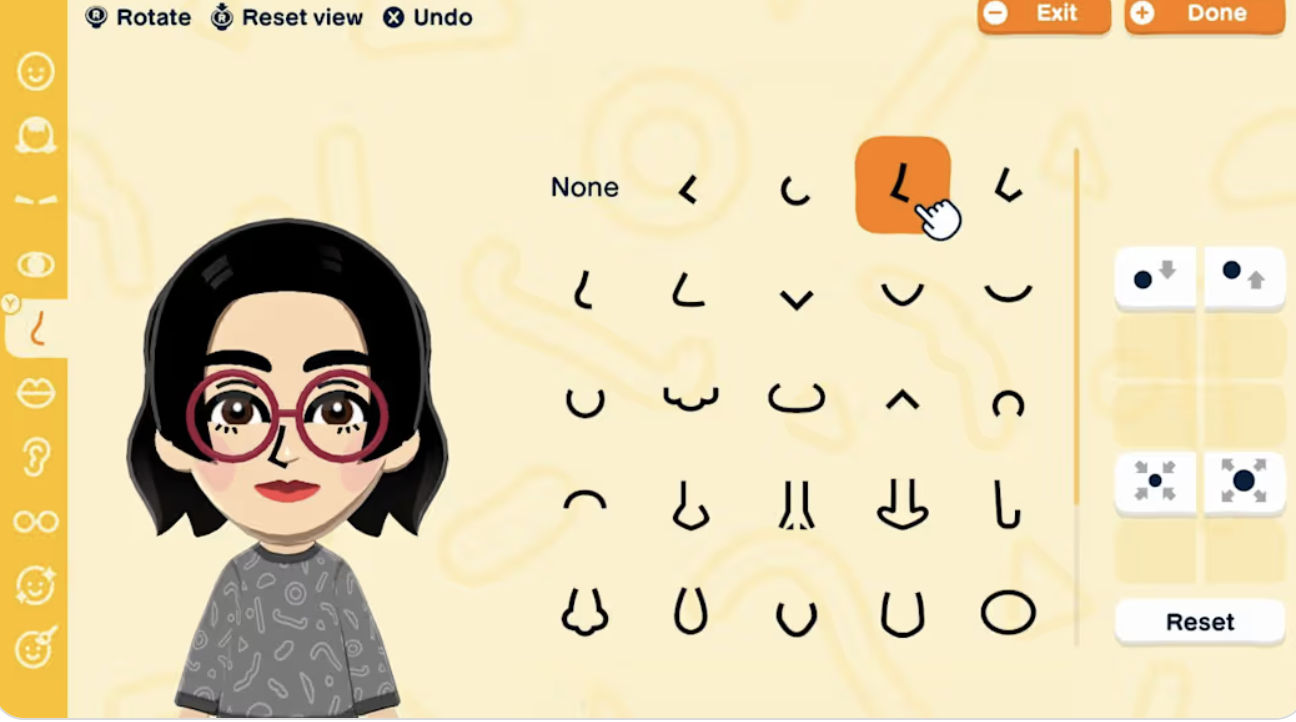
Once your Miis move in, you watch them live their tiny digital lives.
They make friends, start relationships, have arguments, ask for food, want new clothes, and generally behave like they have been given free will by someone who had a very strange sense of humor.
It is not a traditional cozy game with farming, crafting, or decorating as the main focus. The real gameplay is watching the chaos unfold and gently guiding it like a nosy island landlord.
The Best Part
The reason Tomodachi Life works so well is because the game becomes funnier the more personal you make it.
A random Mii asking for a sandwich is fine. Your real-life best friend asking for a sandwich while dressed like a Victorian magician is art.

The magic comes from creating an island full of people you recognize, then watching them form friendships, crushes, rivalries, and deeply questionable fashion opinions.
It feels like your own private sitcom, except nobody knows their lines and everyone is dressed like they lost a bet.
That is what makes the game so clickable, shareable, and addictive. Every player’s island is different, which means every player gets their own ridiculous stories.
What’s New and Why People Are Talking About It
One of the biggest updates in Tomodachi Life: Living the Dream is its more inclusive relationship and identity options. Reports and game coverage note that the game includes nonbinary Mii options and same-sex relationships, which is a major improvement compared to the original Tomodachi Life on 3DS.
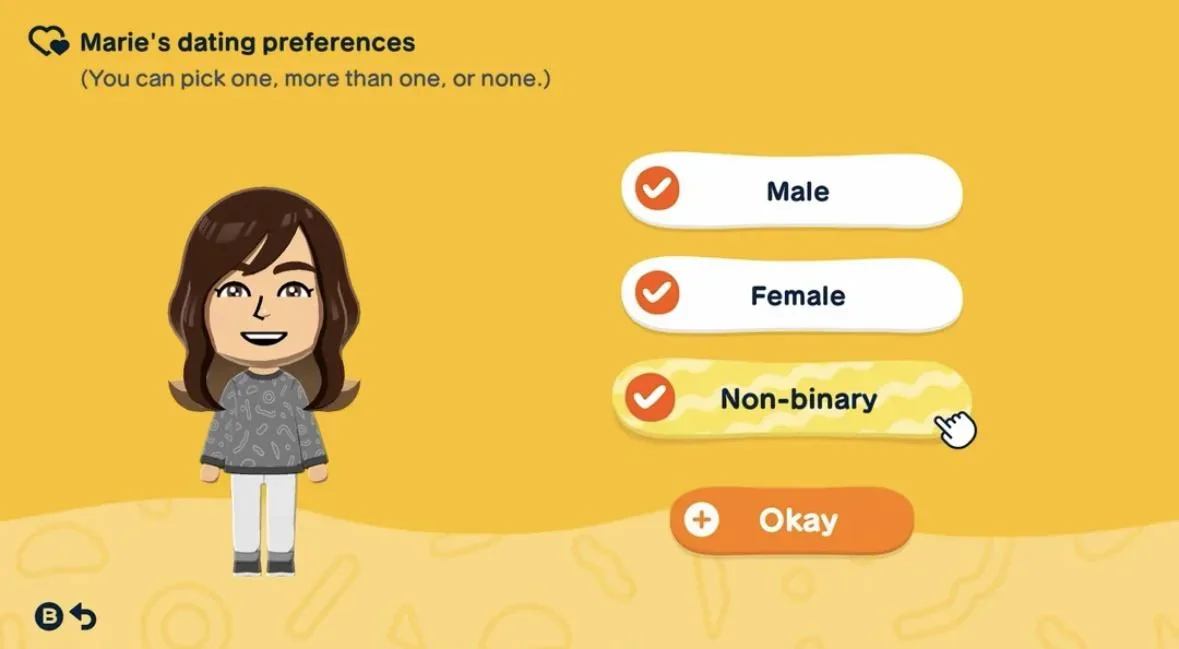
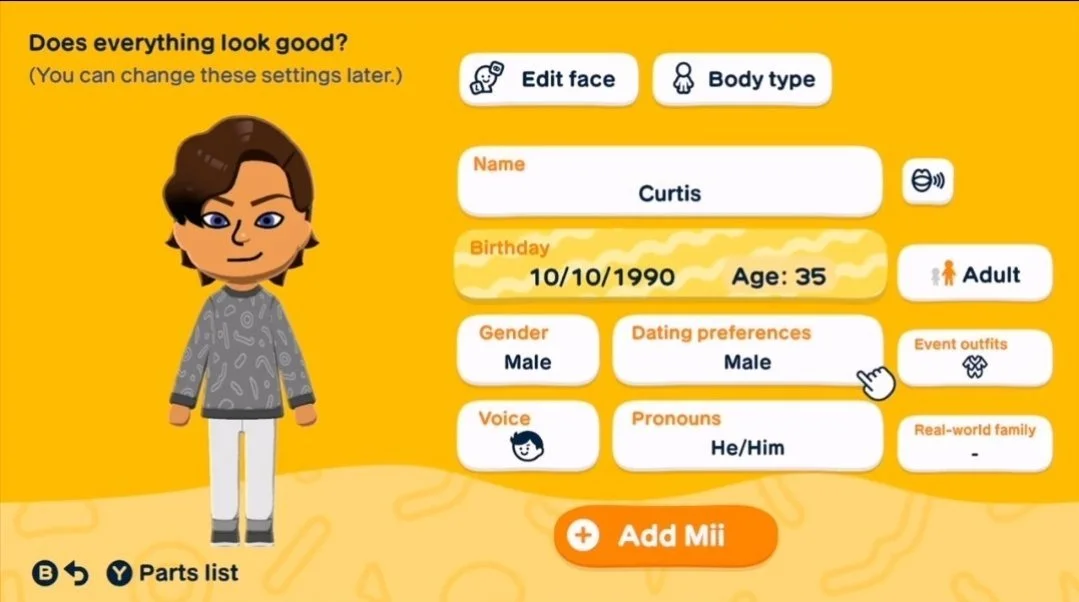
That matters because a game built around relationships, friendships, and personal characters feels much better when more players can actually represent themselves and the people they love.
It also helps explain why the game has been everywhere online. People are not just playing it. They are turning it into screenshots, memes, island gossip, and chaotic little soap operas. There was even so much Tomodachi Life content in the RuPaul’s Drag Race subreddit that moderators reportedly had to limit repetitive posts. That is when you know a game has left “popular” and entered “the internet has found a new toy” territory.
The Gameplay
The gameplay is very easy to understand. You check in on your Miis, solve little problems, give them items, help them socialize, and see what happens next.
This is not a game that demands your full brain power. You do not need a spreadsheet. You do not need a crop profit calculator. You do not need to emotionally prepare for a boss fight. You simply open the game, check on your tiny island residents, and allow nonsense to happen.
That makes it a perfect cozy game for players who want something relaxing but not boring.
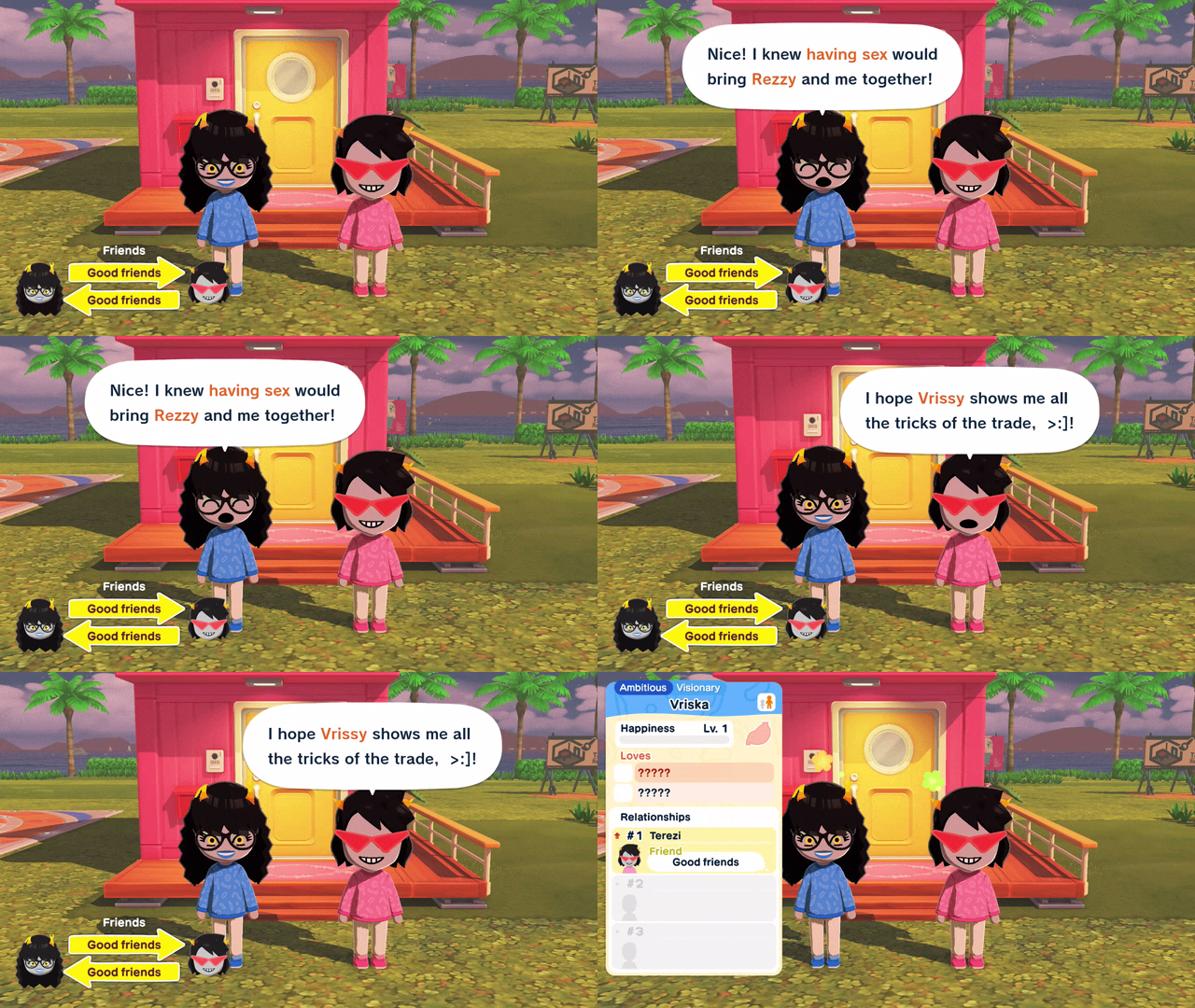
Some cozy games are peaceful in a “walk through a forest and breathe deeply” way. Tomodachi Life is peaceful in a “my Mii just confessed feelings to a celebrity Mii wearing a hot dog costume” way.
Both are valid forms of wellness.
Who Will Love This Game?
You will probably love Tomodachi Life: Living the Dream if you enjoy:
Cozy games with personality.
Weird humor.
Watching characters interact.
Creating Miis of friends, celebrities, or fictional characters.
Low-pressure gameplay.
Games that create funny stories naturally.
The Sims, Animal Crossing, Miitopia, or other social/life sim games.
This is especially good for players who like making their own fun. If you are the kind of person who spends an hour in character creation and then gives everyone dramatic backstories, this game was basically built for you.
Who Might Not Like It?
You may not love Tomodachi Life if you need a lot of direct control.
Unlike The Sims, you are not micromanaging every single action. Your Miis have their own little routines, wants, and problems. You guide things, but you are not fully controlling everything.
If you want deep customization, complex progression, major quests, intense decorating, or a huge story campaign, this may feel too simple.
Tomodachi Life is more of a “check in throughout the day and see what nonsense happened” game than a “sit down for six hours and grind” game.
Although, to be fair, you absolutely can sit down for six hours and watch nonsense happen. I am not judging. I have also lost time to digital villagers with strange emotional priorities.
Is It Cozy?
Yes, but not in the soft cottagecore way.
Tomodachi Life is cozy because it is low-stress, funny, personal, and easy to play in short bursts. It is not cozy because everyone is emotionally stable and drinking tea under a blanket.
Actually, nobody on this island should be trusted with tea.
The coziness comes from the comfort of checking in on your little world. You get attached to your Miis, their apartments, their friendships, their strange requests, and their questionable romantic choices. It feels like running a tiny apartment building full of chaos gremlins.
Is It Worth the Price?
For the right player, yes.
If you are buying Tomodachi Life expecting a deep, traditional life sim with total control, it may not feel worth it. But if you are buying it for character interactions, absurd humor, island drama, and meme-worthy moments, then it has a lot of charm.
This is one of those games where the value depends heavily on how much you enjoy making your own cast of characters. If you fill your island with boring Miis you do not care about, the game might feel cute but thin. If you fill it with your friends, favorite characters, celebrities, exes, enemies, and one cursed original Mii named something like “Soup Greg,” suddenly the game becomes dangerously entertaining.
Best Things About Tomodachi Life: Living the Dream
The biggest strength is the personality. This game is funny without trying too hard, mostly because the situations are so weird.
The best parts are:
The unpredictable Mii interactions.
The personal humor of using people and characters you know.
The low-pressure gameplay.
The improved inclusivity options.
The meme potential.
The cozy check-in style.
The fact that your island can become a reality show by accident.
Tomodachi Life understands one important truth: sometimes cozy gamers do not want peace. Sometimes we want harmless drama in a controlled environment.
Biggest Downsides
The biggest downside is that Tomodachi Life can feel repetitive if you are not into its humor.
The gameplay loop is simple. You check on Miis, solve problems, give items, watch interactions, and repeat. If that sounds fun, you will probably be hooked. If that sounds too passive, you may bounce off it.
It also depends heavily on your own creativity. The game gives you the toy box, but you have to bring the chaos.
Should Cozy Gamers Buy It?
Again, a millition times yes!!
It is not the deepest life sim on the Switch, and it is not trying to be. It is a cozy chaos simulator where the best moments come from your own island drama.
Buy it if you want a game that feels like Animal Crossing, The Sims, and a group chat all got trapped in an elevator together.
Skip it if you need structured goals, heavy customization, or full control over every character.
But if you want a game where your Miis can embarrass themselves, fall in love, start drama, and ask for snacks while wearing deeply unserious outfits, then yes. This one is absolutely worth checking out.
FAQ
Is Tomodachi Life: Living the Dream good for cozy gamers?
Yes. It is a great cozy game for players who enjoy low-stress gameplay, funny character interactions, and casual check-ins instead of intense goals or difficult mechanics.
Is Tomodachi Life: Living the Dream like The Sims?
Kind of, but with less control. You create characters and watch their lives unfold, but the game is more focused on random interactions and humor than deep life simulation.
Can you play Tomodachi Life: Living the Dream casually?
Yes. It is perfect for casual play because you can check in, help your Miis, see what is happening, and come back later.
Is Tomodachi Life: Living the Dream funny?
Yes. The humor is one of the biggest reasons to play. The game shines when your Miis start forming unexpected friendships, romances, and arguments.
Should I buy Tomodachi Life: Living the Dream?
You should buy it if you like weird cozy games, social sims, Miis, character drama, and funny unpredictable moments. You may want to skip it if you prefer goal-heavy games with lots of control and progression.