Tiny Bookshop Guide: Tips I Wish I Knew Earlier
Tiny Bookshop is one of those cozy games that looks calm and harmless until you realize you have accidentally become emotionally attached to book sales, customer preferences, and the terrifying business decision of where to park your tiny little shop today.
It is cute. It is relaxing. It is also secretly a strategy game wearing a warm cardigan.
If you are just starting out, here are some Tiny Bookshop tips I wish I knew earlier so you can make more sales, stock smarter, and avoid staring at your shelves like they personally betrayed you.
1. Do Not Stock Random Books Just Because They Look Cute
I know. The little book covers are adorable. The vibes are immaculate. But Tiny Bookshop is not only about making your shelves look pretty.
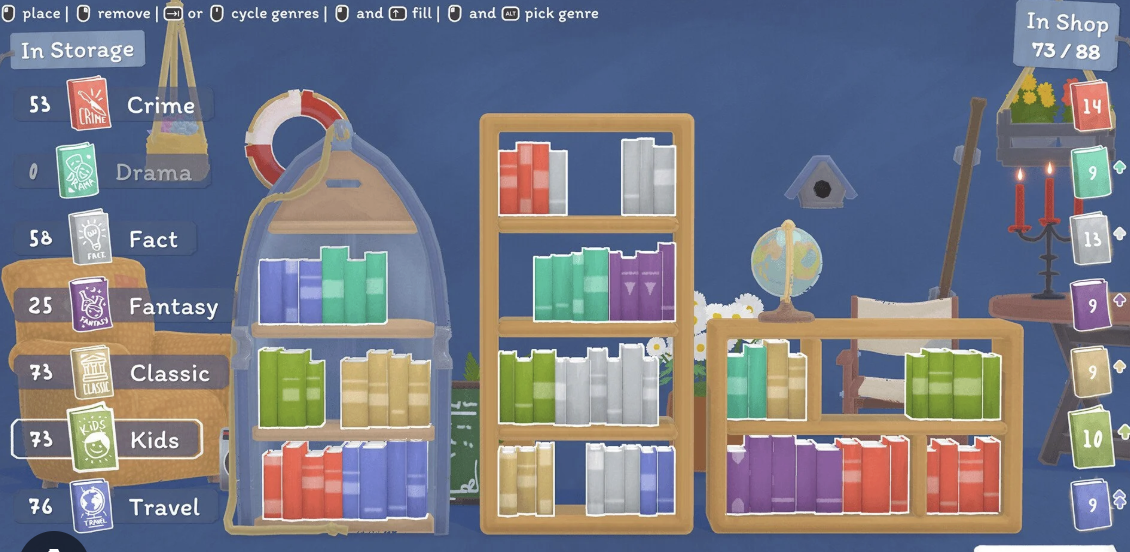
Different customers want different types of books, and your sales depend on matching the right books to the right crowd. If you fill your shop with whatever looks nice, you may end up with a beautiful little bookstore that sells approximately three books and one dream.
Pay attention to what people are actually buying. Once you notice patterns, stocking your shelves becomes much easier.
Tiny Bookshop tip: Treat your inventory like a cozy puzzle, not a decoration project.
2. Location Matters More Than You Think (Trust Me)
In Tiny Bookshop, where you set up your shop can change what customers are interested in. Some areas may attract readers who want certain book types more than others.
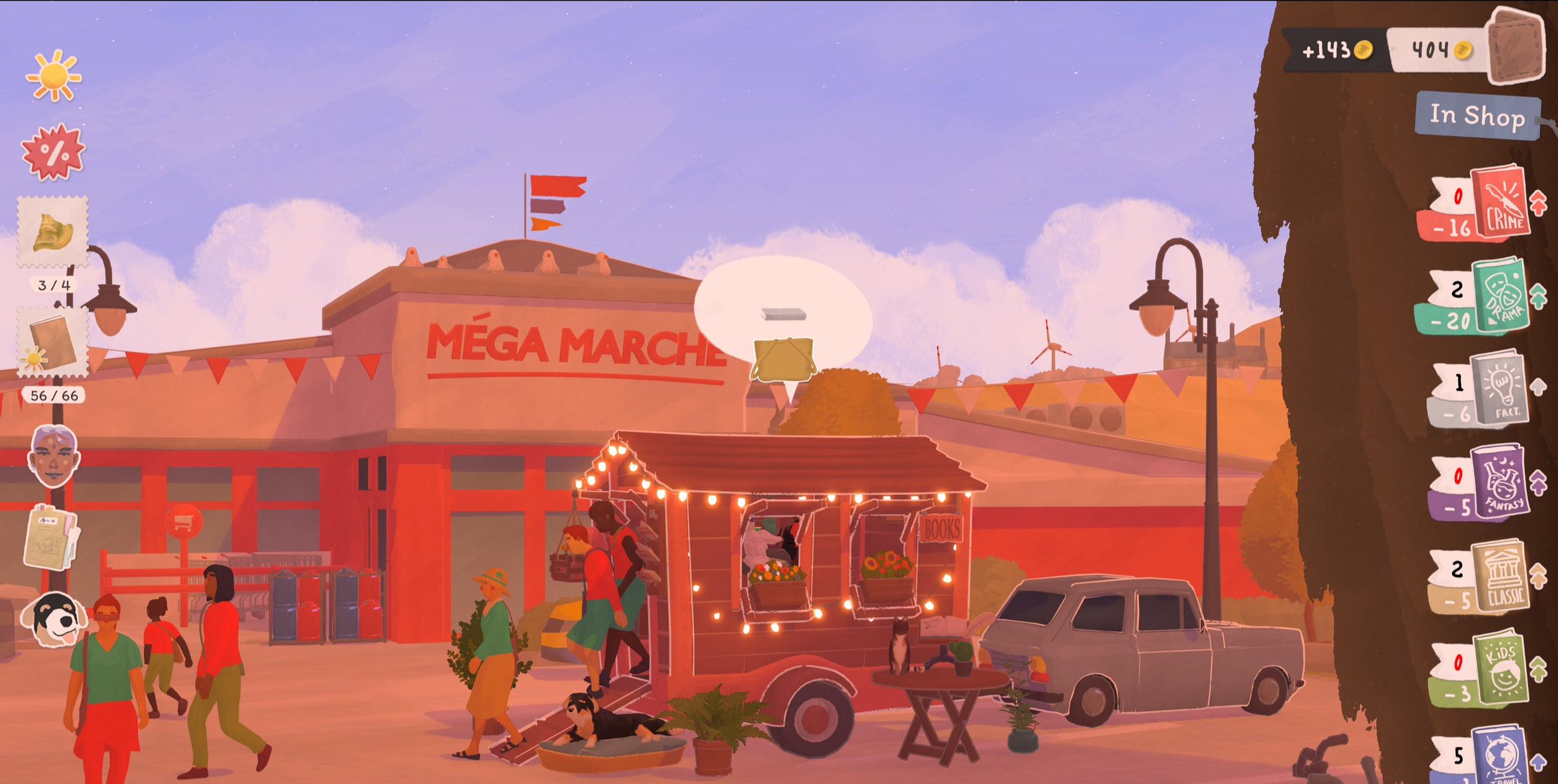
My gameplay screenshot in Mega Marche by the end of the day. I stocked accordingly while in this specific location.
So, if your sales feel weirdly low, your books might not be the problem. You may just be parked in the wrong place with the wrong inventory.
It is giving “selling beach reads in a haunted alley” energy.
Before heading to a location, think about what kind of customers might show up there. Then stock books that match that mood. Learn more about this in my previous guides.
3. Watch Customer Reactions Closely
Customer reactions are basically the game gently whispering, “Hey, maybe do not keep doing that.”
If customers are not interested, leaving without buying, or asking for books you do not have, that is useful information. Tiny Bookshop gives you clues, but it does not always shout them at you.
The more you watch what customers want, the better you get at predicting what to stock next. This is how you go from “tiny chaotic book cart” to “tiny literary business genius.”
4. Do Not Ignore Recommendations
Recommendations can be easy to overlook at first, but they are one of the most useful parts of Tiny Bookshop. When someone asks for a certain kind of book, you want to choose something that actually matches what they are looking for.
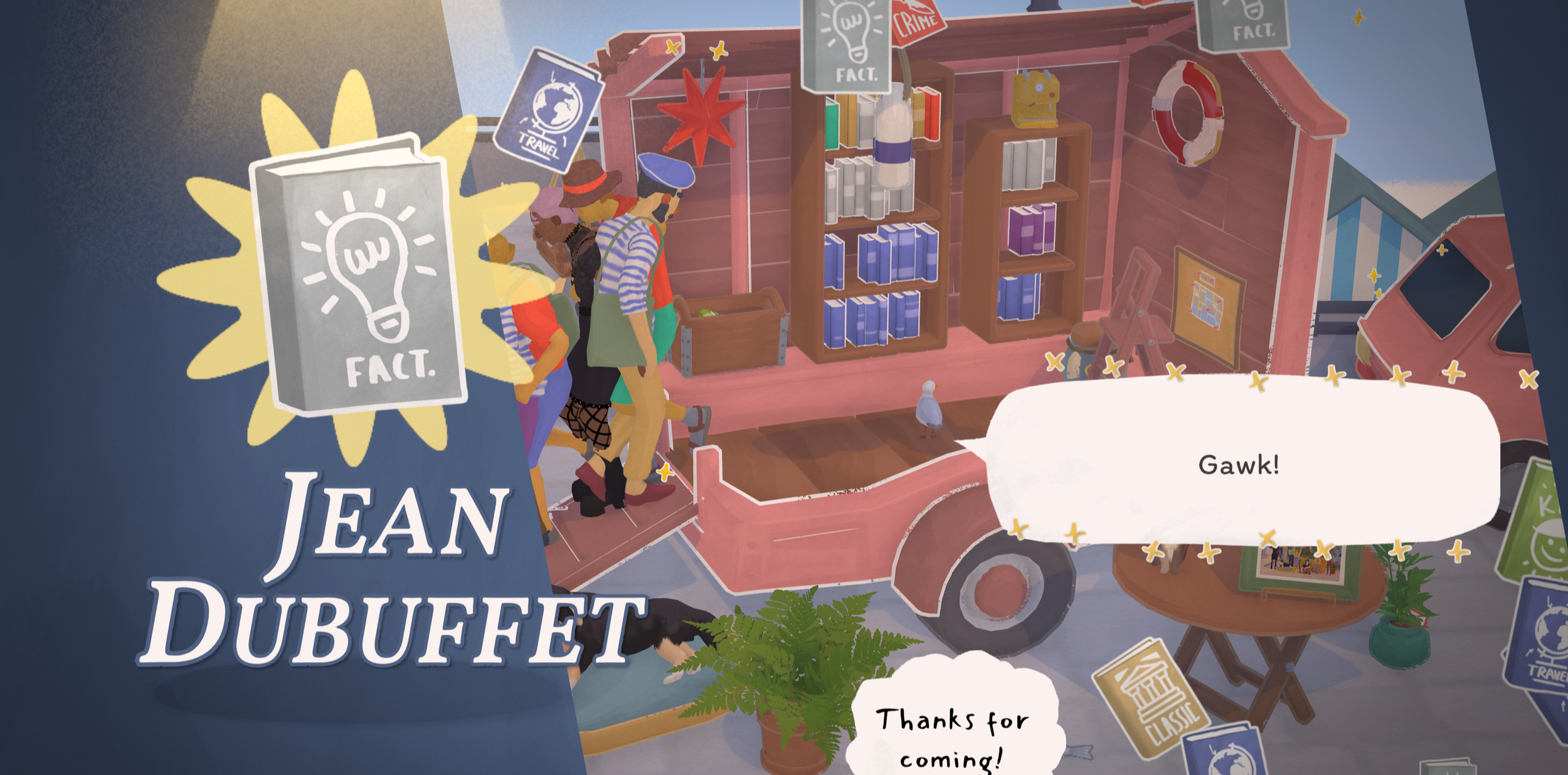
This is where paying attention to book tags and categories helps a lot. Randomly recommending books is brave, but also financially questionable.
Think of recommendations like tiny customer service moments. The better your pick, the happier the customer, and the more rewarding the interaction feels.
5. Keep a Balanced Inventory
It is tempting to overstock your favorite type of book. Maybe you love mystery. Maybe you love fantasy. Maybe you believe every customer should be forced to emotionally recover from a sad literary novel.
Unfortunately, your customers may have other plans.
Try to keep a mix of book types so you are not completely stuck when different readers show up. A balanced inventory gives you more flexibility, especially when you are still learning what each location needs.
Beginner-friendly rule: Keep variety on your shelves until you understand which books sell best in each area.
6. Upgrade With Purpose
When you start earning money, upgrades can feel exciting. Finally, progress! Power! Shelves!
But do not upgrade randomly just because something is available. Think about what will actually help your shop perform better.
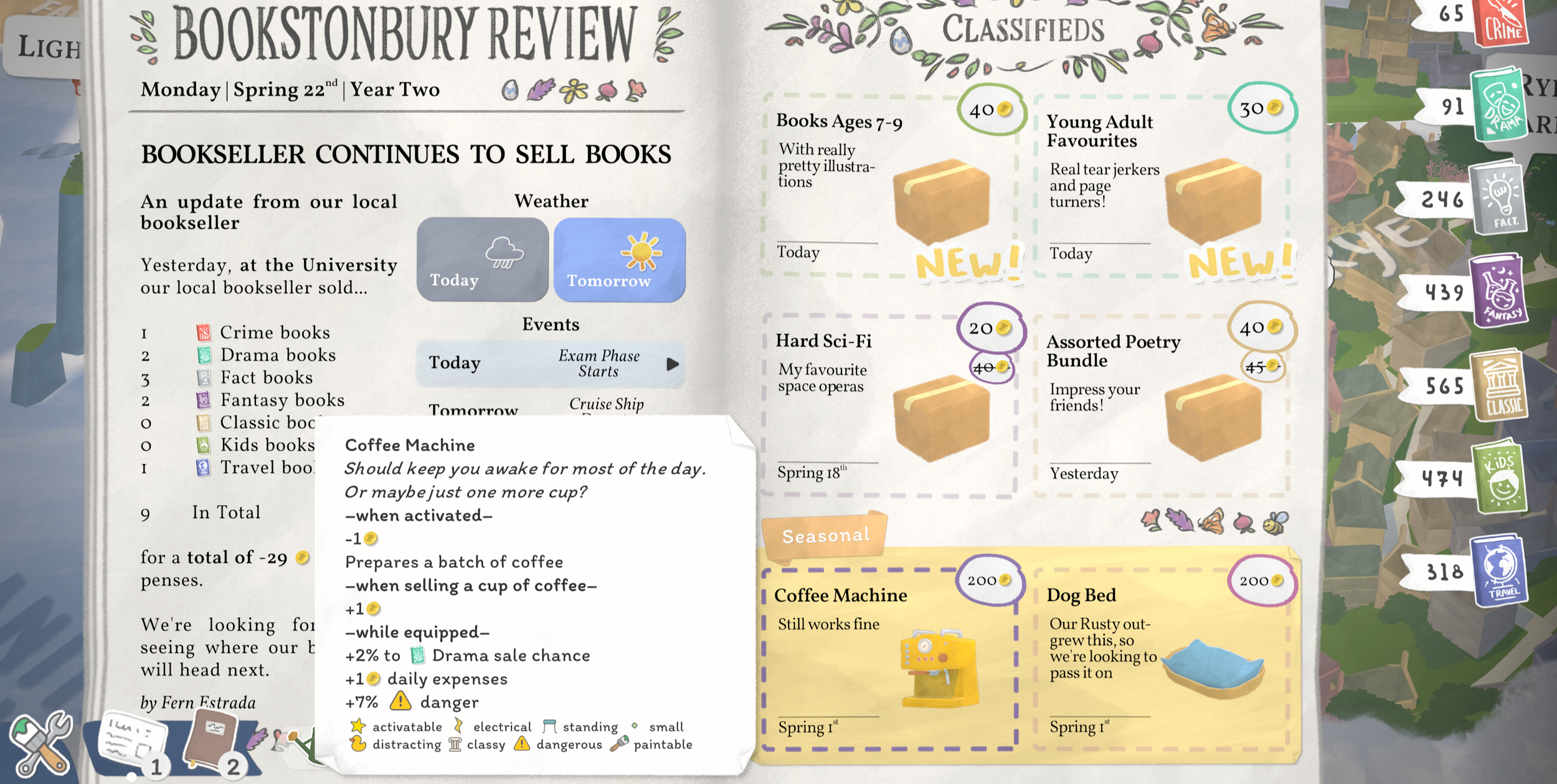
More space can help if you are constantly running out of room. Better options can help if you are struggling with sales. The best upgrades are the ones that solve a problem you are actually having.
Basically, do not spend all your money just because the game made something shiny.
We have all been there.
7. Learn Each Area’s “Book Mood”
One of the best Tiny Bookshop tips is to start thinking of every location as having its own personality.
Some places may feel better for casual reads. Others may work better for certain genres or more specific customer needs. Once you start remembering which books perform well in each spot, your sales become much more predictable.
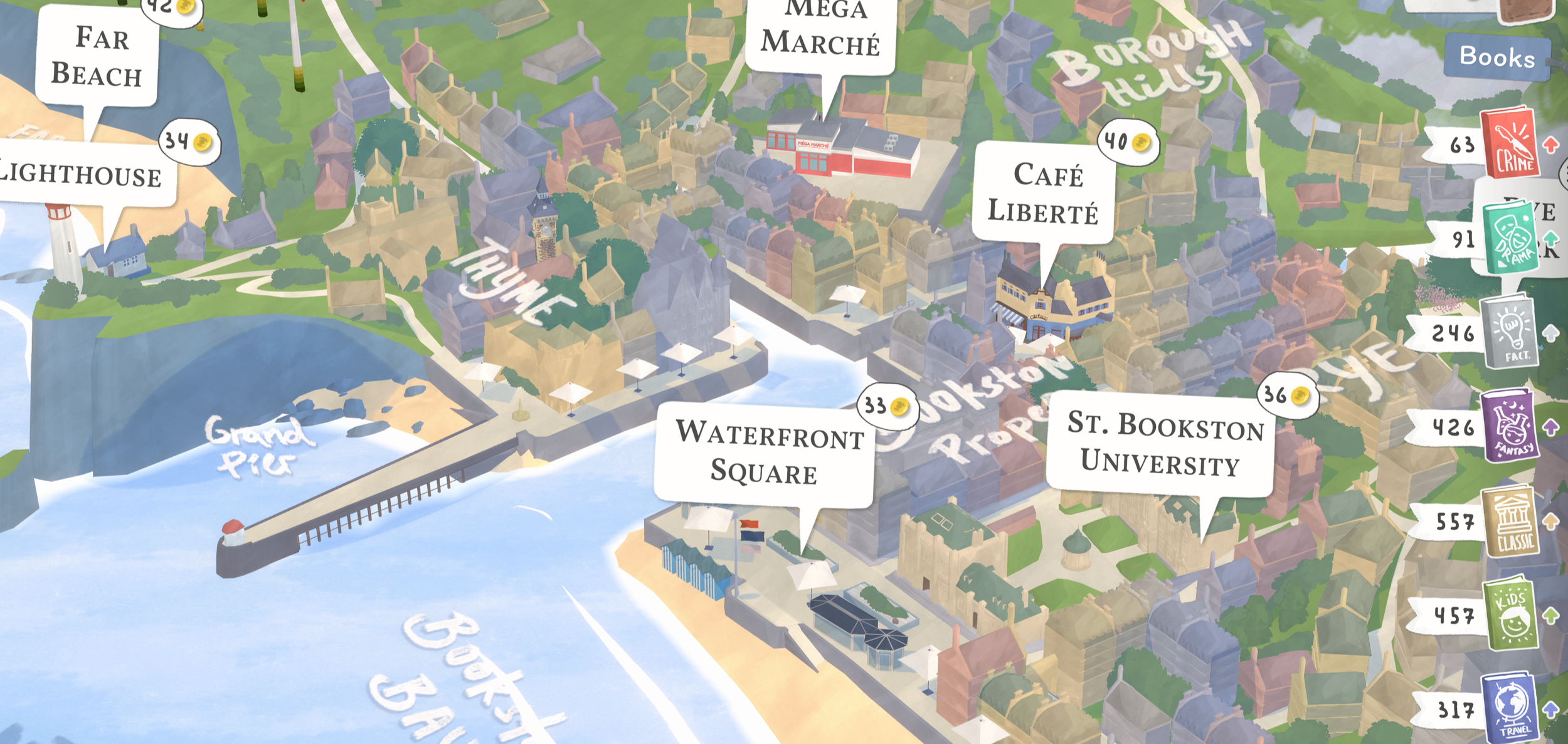
This is when the game starts feeling really satisfying. You are no longer guessing. You are making cozy business decisions with confidence.
Very powerful. Very tiny. Very bookish.
8. Do Not Rush Through the Game
Tiny Bookshop is cozy for a reason. You do not need to min-max every second unless you personally enjoy turning peaceful games into spreadsheets with emotional consequences.
Take your time learning the systems. Experiment with locations. Try different book combinations. Make mistakes. Accidentally bring the wrong stock and pretend it was a creative choice.
The charm of Tiny Bookshop comes from slowly understanding how your little book business works.
9. Restocking Smartly Is Better Than Restocking Constantly
Do not just buy more books because your inventory looks low. Buy books based on what you know sells.
If a certain category keeps moving quickly, prioritize it. If something has been sitting on your shelf forever, maybe stop giving it valuable space.
Yes, even if the cover is cute.
Especially if the cover is cute. That is how they get you.
10. Tiny Bookshop Is Cozier When You Pay Attention
Tiny Bookshop may look simple at first, but the fun comes from noticing the small details. Customer habits, book categories, locations, recommendations, and inventory choices all work together.
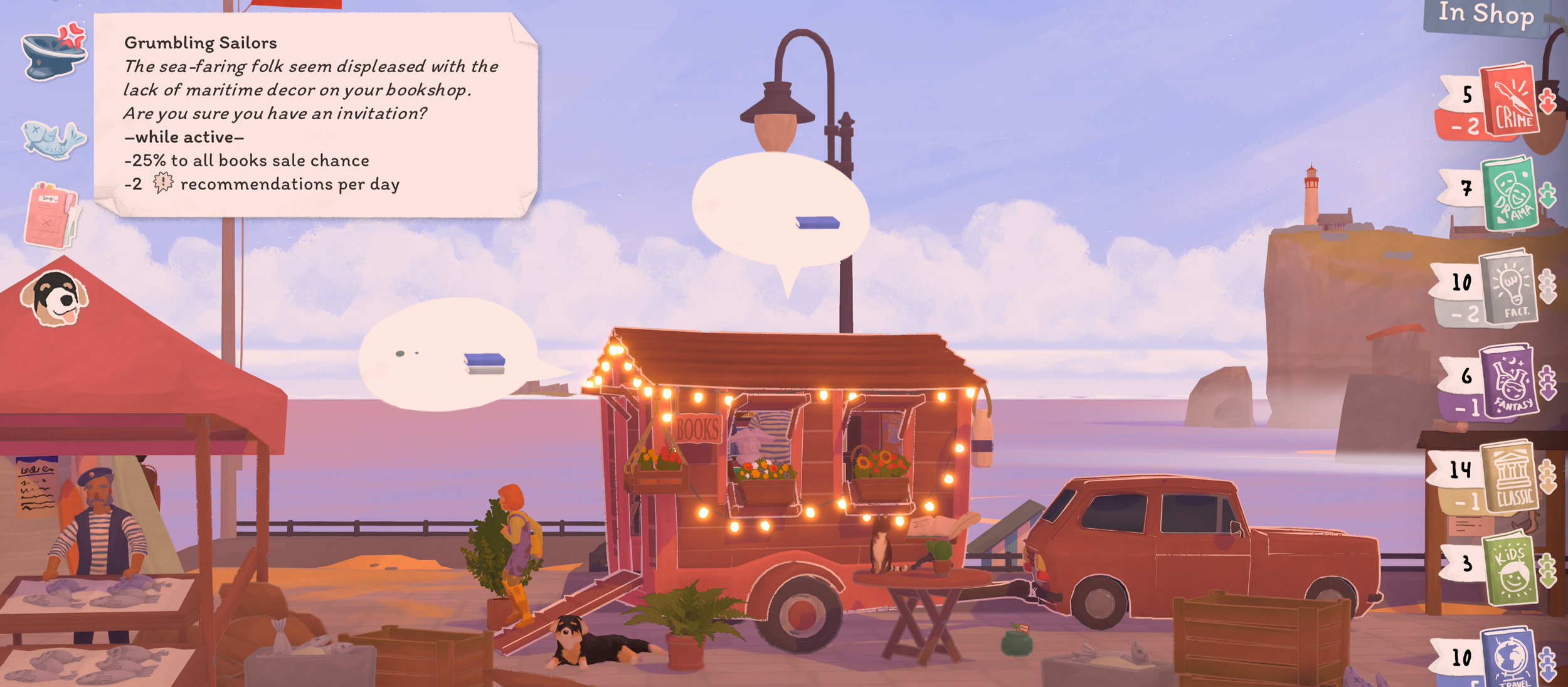
My gameplay in the early stages. I learned early on that for specific locations like "The Waterfront,” you have to make sure you match specific requirements such as making sure you have enough maritime decorations or else your book sales will suffer. You have to pay attention.
Once you understand that, the game becomes much easier and much more enjoyable.
Instead of wondering why nobody is buying your books, you start thinking, “Ah yes, this location needs a different selection.”
That is growth. That is business.
Final Thoughts: The Best Tiny Bookshop Tip Is to Experiment
The biggest thing I wish I knew earlier about Tiny Bookshop is that experimenting is part of the fun. You are not supposed to know the perfect book selection right away.
Try different locations. Test new inventory. Watch your customers. Learn what works.
And remember: if your tiny bookshop has a bad sales day, it is not failure. It is market research with cute shelves.
Tiny Bookshop Tips FAQ
What is the best beginner tip for Tiny Bookshop?
The best beginner tip is to pay attention to what customers want and stock books based on location. Random inventory can work sometimes, but matching books to customer interests will usually help you make better sales.
Does location matter in Tiny Bookshop?
Yes, location matters. Different areas can attract different types of customers, so your book selection should match the place where you set up your shop.
How do I make more money in Tiny Bookshop?
To make more money, stock books that fit the location, watch customer preferences, keep a balanced inventory, and avoid wasting money on books that are not selling.
Is Tiny Bookshop hard?
Tiny Bookshop is not hard, but it does have strategy. It is cozy and simple to play, but learning how inventory, customers, and locations work can make the game much easier.
Is Tiny Bookshop good for cozy gamers?
Yes, Tiny Bookshop is a great cozy game for players who enjoy books, small business management, relaxing gameplay, and low-stress strategy.