Do Choices Actually Matter in Life Is Strange? Explained
The Life Is Strange series is famous for its “choices matter” promise. But what does that really mean? In these narrative adventures, your decisions don’t usually send the story down wildly different branches. Instead, they shape emotional tone, relationships, and the journey.
The developers of the original Life Is Strange built a system of short-term, mid-term, and long-term consequences, so even if Max rewinds to fix something, later events can still change unexpectedly.
Let’s look at each game in the series and see how your choices pack an emotional punch.
Life Is Strange (2015)
In the original game, Max Caulfield’s rewind power lets you experiment with dialogue and actions, but Dontnod stresses that “even in this world where Max can rewrite her own history…choices do matter”.
Moris, the creative director, sums it up: “becoming an adult…is standing by your own choices”. Practically, this means a simple conversation or action can change how Chloe or other characters see Max.

Life Is Strange 2015 Snapshot
For example, if a classmate is in crisis (early in Episode 2), Max’s choices – whether to warn someone or comfort her – determine if tragedy is averted. You can rewind and try again, but the tension comes from the emotional weight of that scene.
Behind the scenes, Life Is Strange uses layered consequences: fixing one moment might cause another to go differently later. This design lets you feel the impact of each decision. Your earlier kindnesses or mistakes affect characters’ trust and the vibe of later episodes.
Even the game’s climactic choice (saving Chloe or Arcadia Bay) gains its power from all the relationship-building you did before.
In short, Life Is Strange doesn’t have dozens of radically different endings, but every choice affects how close you feel to the characters and how the story feels emotionally.
Life Is Strange: Before the Storm (2017)
Before the Storm is a prequel with Chloe Price (no time powers). Deck Nine crafted a story where player agency still shines through one core relationship: Chloe’s bond with Rachel Amber. You decide how romantic or friendly their relationship becomes.

Life is Strange Before the Storm Gameplay Snapshot
As one Deck Nine writer explained, they “left that to the player’s choice” – Chloe and Rachel could develop an authentic gay relationship, or just a very close friendship, depending on what feels right. Your dialogue choices (flirting, comforting, or bantering) directly color the scenes.
This game highlights that Tone matters more than branches. You’ll follow a fixed story beats, but your choices deeply influence the emotional tone. For example, you might comfort Rachel about personal secrets or tease her playfully. Either way, you’ve chosen the feeling of the scene.
There is also one major decision at the end (no spoilers here) that shapes Chloe’s feelings heading into the original game.
Ultimately, Before the Storm uses choice to tune how you experience the story: your decisions make Chloe and Rachel’s relationship feel like your own even if the plot points stay the same.
Life Is Strange 2 (2018): Raising Daniel
In Life Is Strange 2, you play as brothers Sean and Daniel Diaz. There’s no rewind and no alternate timelines. Instead, every choice teaches Daniel how to behave. The game cleverly turns each decision into a lesson about morality and trust.
As one analysis puts it, “Life is Strange 2 is about raising Daniel in that way… the ultimate outcome of the story reflects the accumulation of all your previous choices”.

Life is Strange 2 Raising Daniel Snapshot
There is no single “right” or “wrong” path, every option has pros and cons. Do you take Daniel’s favorite snack, or give it to someone in need? Do you respect the law, or bend it to help your brother? Each choice shifts Daniel’s Morality and Brotherhood (trust) stats.
If you teach Daniel to be kind and patient, he’ll act that way later; if you inadvertently scare him, he may become distrustful. By the final episode, Daniel’s personality and the brothers’ fate are a direct result of your decisions.
In practice, this means small moments (omforting Daniel or disciplining him) subtly guide how the story unfolds. The series makes clear: you’re responsible for the person Daniel becomes, and that makes every decision feel meaningful.
Life Is Strange: True Colors (2021)
True Colors follows Alex Chen, who has an empathy power. The story is more linear than LiS2, but choices still shape your experience. Your dialogue options decide how Alex connects with characters like Steph and Ryan.
For most of the game, the plot pushes forward on rails, but the emotional journey flexes with your choices. Do you comfort a grieving friend, or respect their space? Every conversation choice customizes the bond.
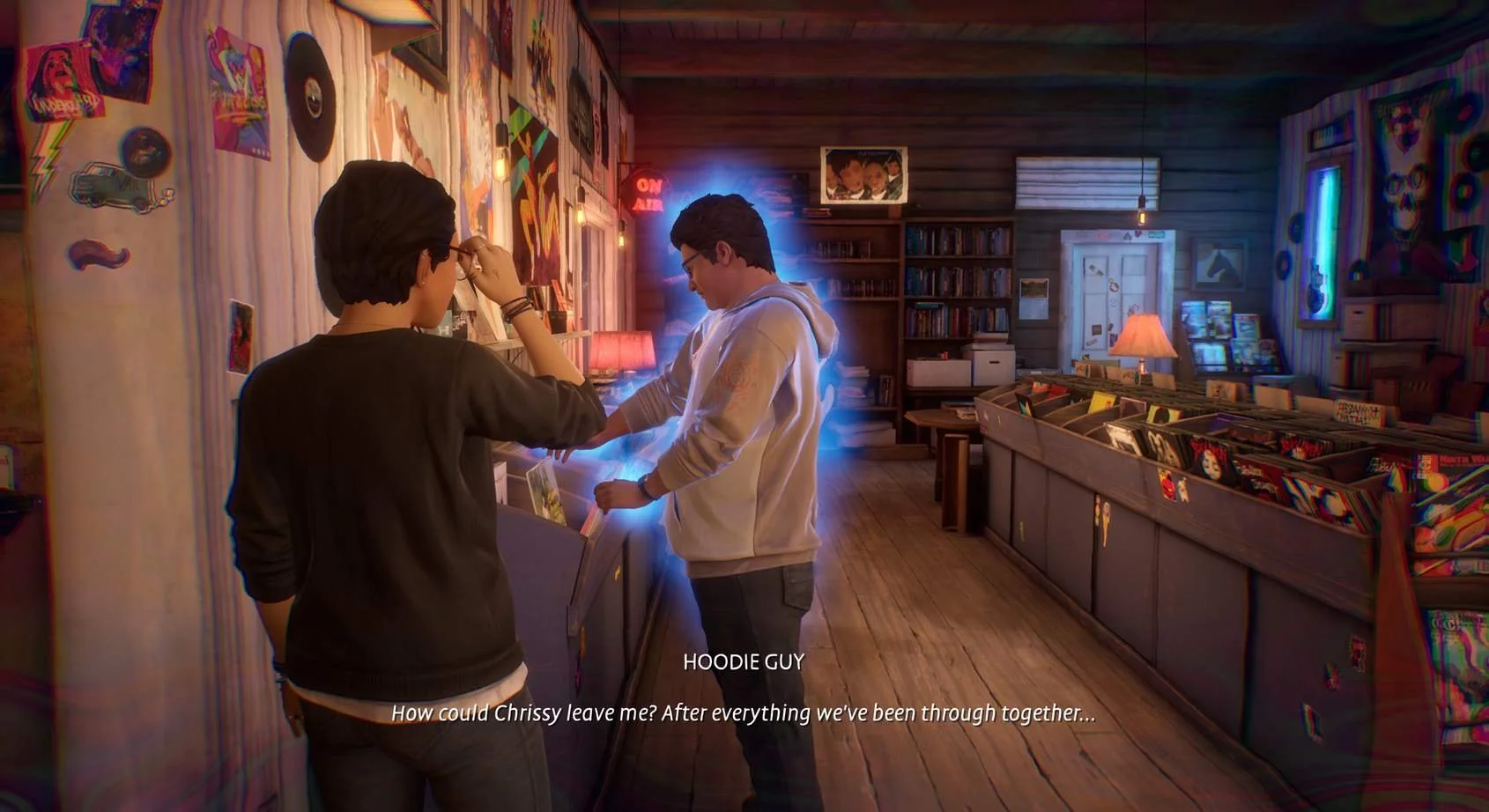
Life is Strange True Colors Snapshot
The one big decision comes in the finale. While True Colors doesn’t have dozens of endings, it has one powerful, agonizing choice. Fanbyte’s review notes that the final episode is “a masterpiece” that “culminates in a choice… where neither [option] feels right”.
In other words, Deck Nine crafted that finale so that whatever Alex chooses is valid, but emotionally heavy, underscoring how even a single key decision can leave you contemplating its meaning. Thus, True Colors shows that choices can be fewer but still very personal and impactful.
Life Is Strange: Reunion (2026)
Coming March 26, 2026, Life Is Strange: Reunion promises to bring Max and Chloe back together. Deck Nine teases a story where “players will use Max’s Rewind power to undo and redo decisions… and use Chloe’s Backtalk ability”, and importantly, they promise “meaningful choices that affect the outcome” of the story.

While we won’t know the full details until release, the creators explicitly say Reunion is built on the series’ hallmark: choices that emotionally steer the narrative. Players can expect to flip decisions, solve puzzles, and engage with characters in ways that truly change the story’s climax and ending.
In short, Reunion is being designed so that your choices, especially in those final days of the story, will feel important to how this chapter ends.
So, Who Should Play Life Is Strange?
You love emotional storytelling: Life Is Strange is ideal if you value character-driven narratives. Even small choices (saving a character’s pet, choosing a tone of voice, or responding to a secret) will tug on the story’s heartstrings. The series is famous for making players reflect on those decisions long after playing.
You want to shape relationships: These games focus on people and bonds. If you enjoy guiding friendships or romances through dialogue, LIS lets you color how close characters become. (For example, Chloe & Rachel in Before the Storm, or building Daniel’s trust in LiS2.) Your choices make those connections feel personal.
You’re okay with a mostly fixed plot: Be aware the overall story beats don’t branch wildly. Most endings hinge on a few big decisions (and the rest of the path is mostly shared). If you need dozens of radically different endings to feel satisfied, note that LiS leans more on emotional consequence than branching mechanics. However, even with one main ending, every choice matters to the tone and message you take away.
Final Thoughts
Life Is Strange is perfect for players who treasure narrative agency. Your decisions may not create alternate universes, but they do change how you experience the story.
The weight is emotional: you’ll see characters react differently based on what you say or do, and that makes the journey uniquely yours.
If you like story games where your voice truly shapes feelings and relationships, Life Is Strange’s choices will matter deeply to you.